
Safeguarding your property when removing a tree requires careful planning and expertise. Hiring a qualified arborist is crucial, as their knowledge helps reduce risks and ensures the entire procedure is conducted safely.
Careful planning is especially important when the tree is close to buildings or utility lines. Clearing the area of debris and securing the worksite boundaries further protects your property. Using the correct equipment and techniques—such as ropes and rigging—is essential to minimize any potential damage. Thorough safety protocols, including comprehensive training and team briefings, must also be implemented.
But how do you ensure all these factors come together seamlessly?
Evaluating the Tree and Surroundings
Before beginning tree removal, it’s important to perform a detailed assessment of both the tree itself and the surrounding environment. This initial evaluation helps identify hazards and allows for appropriate precautions.
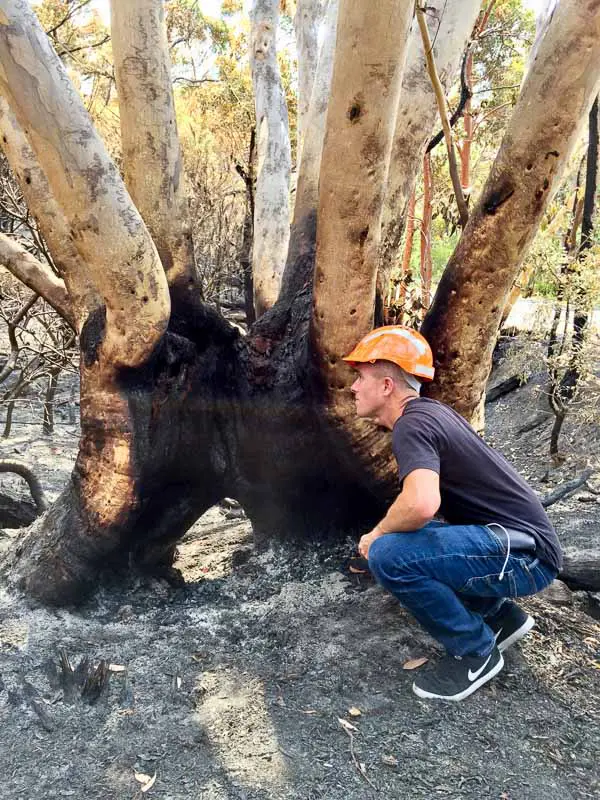
Start by examining the tree’s health, size, and structural soundness. Watch for signs of disease, decay, or instability, as these increase the complexity and risk of removal.
Next, assess risks related to nearby structures such as homes, power lines, and infrastructure. Proximity to these requires additional safety measures to protect your property.
Also, consider the terrain and soil conditions, as these can affect the stability of equipment and personnel during the job.
Plan a clear removal path, deciding on the safest direction for the tree to fall to avoid unintended damage to property or landscaping.
By carefully assessing risks and planning, you greatly reduce the chance of property damage and help ensure a safer removal process.
Hiring Skilled Arborists
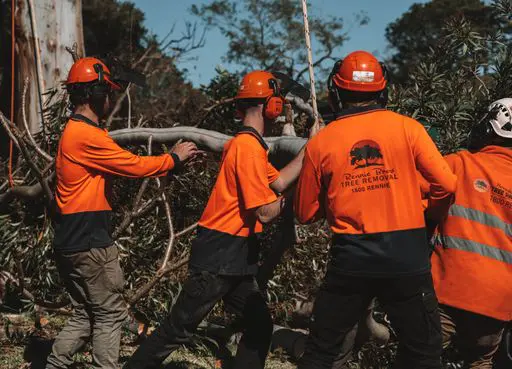
Professional arborists are essential for safe and efficient tree removal. Their certifications and extensive experience allow them to apply proper safety protocols while operating advanced tools, reducing the risk of damage and ensuring a successful outcome.
A certified and experienced team brings specialized knowledge and precise skills for addressing complex tree challenges. Their ongoing training keeps them updated on the latest industry standards and techniques, preparing them for any situation.
Proper equipment maintenance is also critical. Regular inspections and servicing of chainsaws, cranes, and wood chippers prevent malfunctions that could cause accidents or property harm.
Implementing Safety Protocols
Securing the right safety measures is vital in any tree removal project, and hiring professional arborists plays a key role in this. They are trained to manage a variety of scenarios, ensuring the safety of both the property and workers.
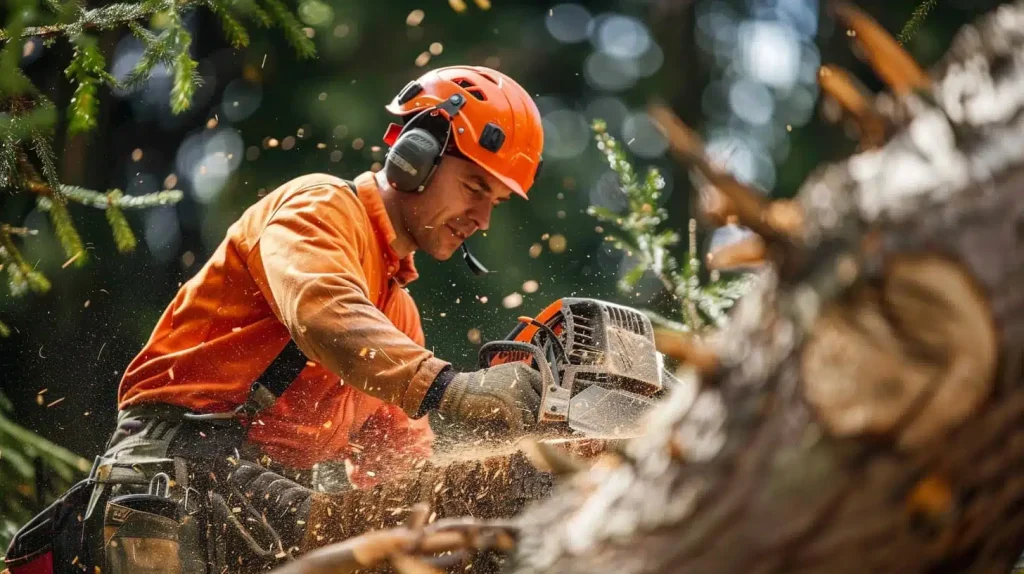
Essential safety gear includes helmets, gloves, eye protection, and chainsaw-resistant clothing, all necessary to prevent injuries.
Additionally, arborists develop comprehensive emergency plans to address unexpected incidents such as falling branches or equipment failures, enabling quick, effective responses to protect everyone involved.
Thorough risk assessments are conducted before starting work, evaluating the tree’s condition and surroundings to avoid hazards.
By employing professionals, property owners can be confident their tree removal will be conducted with the highest safety and efficiency standards.
Using Advanced Equipment and Techniques
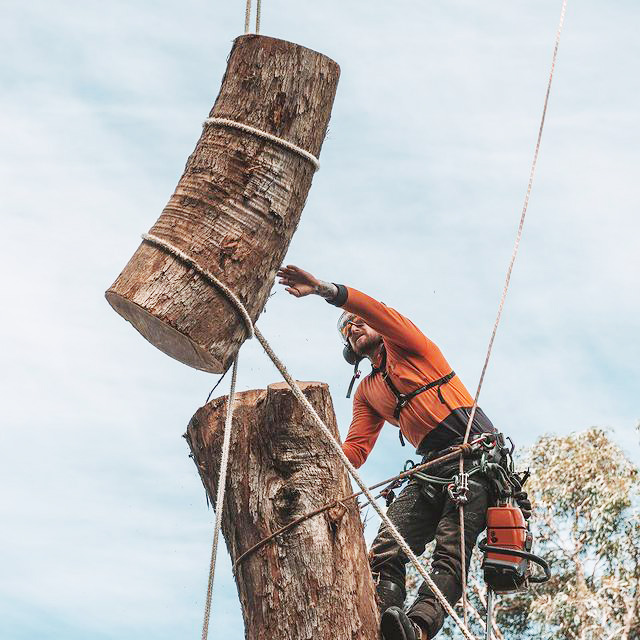
Professional arborists utilize advanced equipment and methods to perform tree removal with precision while protecting property and personnel.
Regular equipment maintenance ensures that tools operate safely and efficiently. Equally important is continuous safety training for the crew, enabling them to handle machinery correctly and respond to unexpected challenges.
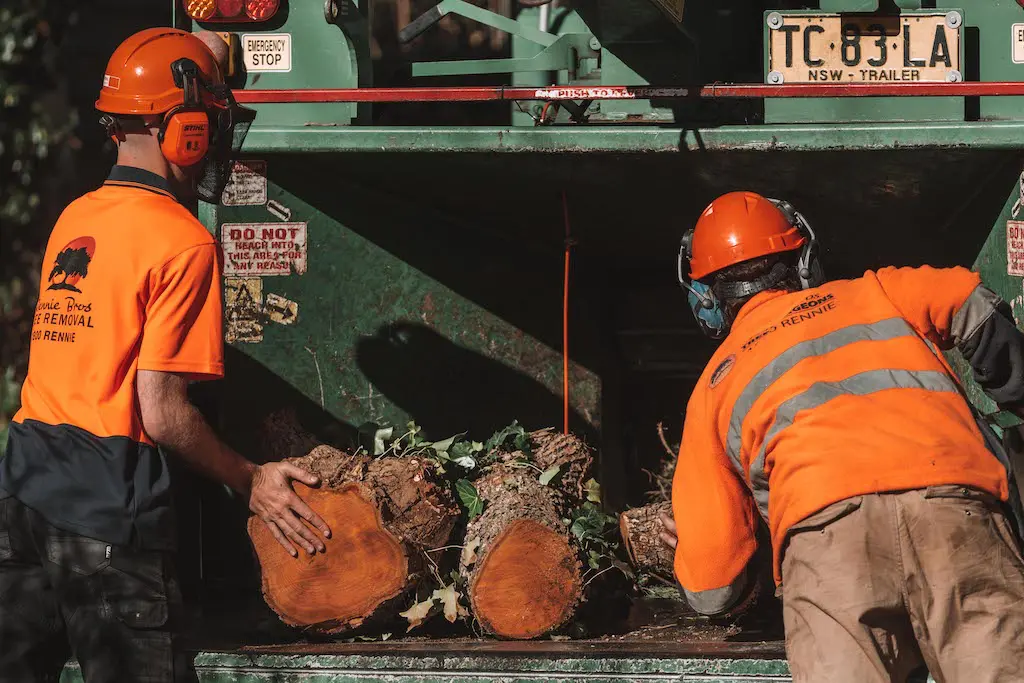
These experts also minimize environmental impact by carefully preserving nearby vegetation and soil. Removed tree materials can be repurposed—for example, chipped into mulch or recycled—benefiting both the environment and the client.
Careful Planning of the Removal Process
Planning every step of tree removal is crucial to avoid damage and maintain safety. This begins with assessing the tree’s health and condition to determine the best removal strategy. Selecting suitable equipment and prioritizing safety will promote a smooth operation.
Assessing the Tree
A thorough evaluation reveals the tree’s health, structural integrity, and hazards. Check for disease, decay, dead sections, cracks, or weaknesses, which may affect removal difficulty and risk.
Also, consider the proximity to buildings, power lines, and other structures, helping to plan a method that avoids damage.
This risk assessment informs the safest and most effective removal approach.
Choosing the Right Equipment
Selecting proper tools significantly enhances safety and efficiency. Well-maintained chainsaws, cranes, and wood chippers reduce the chance of equipment failure that could harm property.
Training in correct equipment use ensures precision and safety. Following manufacturer guidelines minimizes operational errors.
Prioritizing Safety Measures
Safety precautions protect workers and property throughout the removal. Equip the team with appropriate gear like helmets, gloves, goggles, and harnesses.
Verify that the tree removal service holds comprehensive insurance, including liability and workers’ compensation, to cover any accidents or damage.
Conduct a detailed site inspection to identify obstacles like power lines, structures, or other trees, enabling strategic planning that avoids hazards.
Preparing the Work Area
Before removing the tree, clear the area of debris and obstacles that could pose risks or slow progress.
Set up barriers or caution tape around the site to keep bystanders, pets, and children safely away.
Assess the proximity of structures, vehicles, and utilities; move what can be relocated and protect immovable fixtures.
This preparation reduces accidental damage and provides a safe, controlled environment for the job.
Employing Proper Equipment
Use well-maintained and suitable tools to ensure safe and effective tree removal.
Keep chainsaws and pruners sharp and properly handled to avoid inefficient cutting or accidents.
Wood chippers are helpful for large projects but must be regularly serviced and operated safely.
Ropes and rigging manage the controlled descent of heavy branches, preventing damage to nearby property.
For DIY projects, renting equipment is an option but always prioritize maintenance and safety training.
Enforcing Safety Practices
Ensure all crew members wear necessary protective gear and maintain clear communication, using radios or similar devices for real-time coordination.
Set up clearly marked boundaries around the worksite to keep the public at a safe distance and prevent interruptions.
Hold safety briefings before starting work to reinforce protocols and awareness.
Post-Removal Inspection
After tree removal, thoroughly inspect the site to ensure safety and check for any damage.
Look for harm to structures, landscaping, or utilities, and document findings for insurance purposes.
Verify that stump and root removal is complete to avoid future hazards.
Maintain detailed records, including photos, to support any claims if needed.
Common Questions
- How do I handle tree-related insurance claims?
Review your insurance policy carefully, document damages thoroughly, and communicate promptly with your provider. - When should a tree be removed?
Dead branches, trunk decay, and leaning are signs that removal may be necessary. Professional evaluation is recommended. - Can tree removal affect property value?
Removing unhealthy trees can enhance curb appeal and protect your investment, potentially increasing property value. - Are permits required?
Many locations require permits for tree removal to ensure environmental responsibility and compliance with local laws. - How can removed tree materials be reused?
Materials can be repurposed as mulch, furniture, or recycled through eco-friendly methods.