
Certainly! Here’s a paraphrased version of your blog that maintains the original meaning while offering a fresh expression and improved flow for readability:
Understanding Tree Removal Costs: Key Factors to Consider
When it comes to removing a tree, several cost factors come into play. Elements such as the tree’s size, its location, and the complexity of the job all significantly influence the final price. Larger trees with strong root systems and dense wood often demand more effort and specialized tools. If the tree is close to buildings or power lines, removal becomes more intricate, requiring extra caution and expertise. Other considerations include the time of year and the tree’s overall health. All these factors combined determine how much you’ll likely pay for professional tree removal.
Tree Size
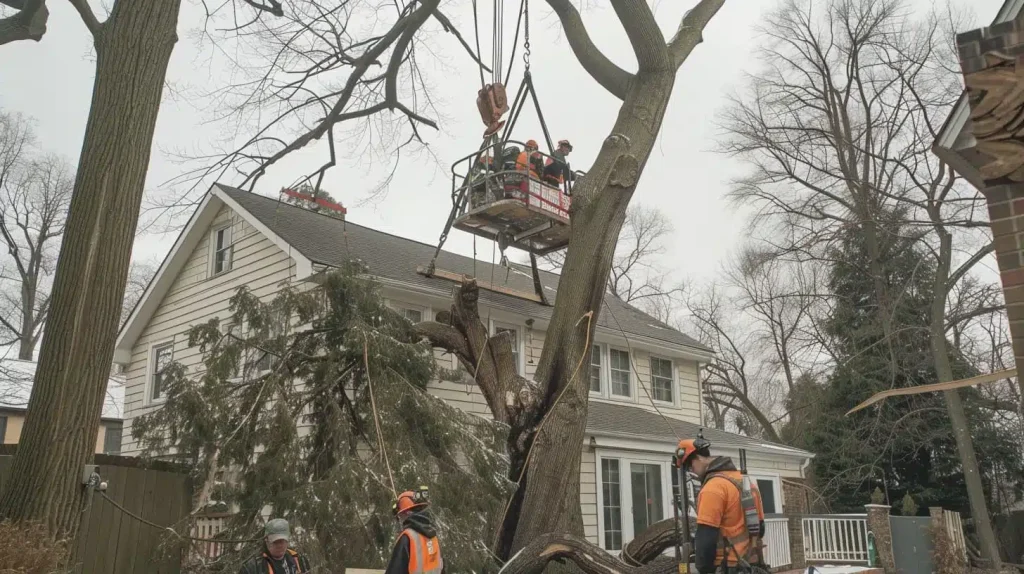
The size of a tree is one of the most critical elements influencing removal costs. Bigger trees demand more time, labor, and equipment, which naturally leads to higher expenses. Both the height and trunk diameter affect how complex and time-consuming the job will be.
For example, removing a large, mature oak will typically cost more than cutting down a younger, smaller tree. The species of the tree also matters—hardwoods like maple or walnut are denser and tougher to cut, often requiring more effort than softer trees like pine.
In some cases, the tree’s location may restrict access. A large tree in a fenced-in backyard or surrounded by structures may call for cranes or extra crew members, pushing the cost higher. Ultimately, evaluating the tree’s size, type, and accessibility is crucial in understanding the service charges.
Tree Location
Where the tree is located on your property can greatly affect the removal cost. Trees in tight or difficult-to-reach areas can complicate the job and require special tools or techniques, leading to increased charges.
Key location-related cost drivers include:
- Near Power Lines: Trees growing near utility lines must be carefully removed to avoid outages and ensure safety, often requiring coordination with utility companies.
- Close to Structures: If a tree is near a house, shed, or fence, crews may need cranes or other heavy equipment to avoid property damage.
- Limited Access: Trees in hard-to-reach spots—like steep hillsides or enclosed backyards—may require extra equipment and effort.
- Local Permits: Municipal regulations may require permits for removal or mandate specific procedures, adding both time and cost.
Being aware of these issues helps property owners better estimate the overall cost of removing a tree.
Job Complexity
The complexity of the job is another major cost factor. Tree removal becomes more complicated based on the tree’s size, species, and health. For example, a dead or dying tree may be unstable and require a delicate, risk-managed approach.
Environmental elements also add to the difficulty. Trees near buildings, wires, or other hazards need careful handling, specialized techniques, and sometimes even structural support to avoid damage. Additionally, trees that house wildlife or birds may require extra care to avoid harming the animals.
Each of these complexities can increase labor time, equipment use, and safety requirements—all of which affect the final price tag.
Equipment and Labor
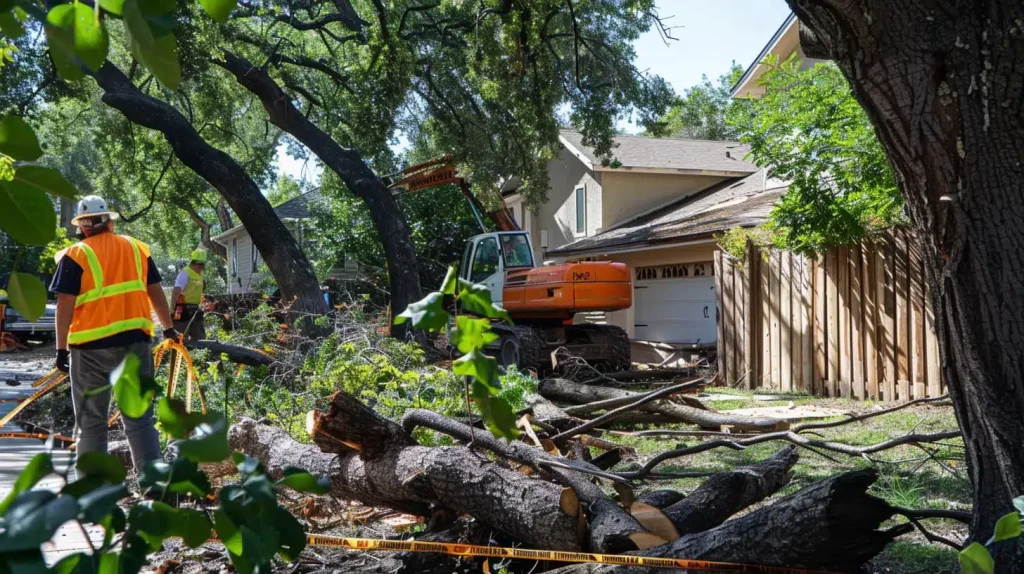
Safe and efficient tree removal depends heavily on the tools and personnel used. Modern tree removal services rely on high-quality gear and trained experts, both of which contribute to the overall cost.
Key factors include:
- Advanced Equipment: Tools like cranes, chainsaws, and chippers come at a cost—both for purchase and maintenance—which impacts service pricing.
- Skilled Workers: Experienced arborists and crews are essential. Their knowledge ensures safety and efficiency, but their expertise comes at a premium.
- Safety Gear: Helmets, harnesses, and protective equipment are necessary for a secure work environment and add to the cost.
- Waste Disposal: Debris cleanup and eco-friendly disposal (e.g., recycling, mulching) require extra time and resources, adding to overall expenses.

Seasonal Timing
The time of year you schedule your tree removal can significantly affect the cost. Winter is often considered the best season for removal due to lower demand and better visibility when trees have shed their leaves. Frozen ground can also reduce soil damage from heavy machinery.
On the other hand, spring and summer typically see higher demand, which can drive up prices. Wet or stormy conditions during these months may complicate removal, making the job riskier and more expensive.
Additionally, some tree health issues are easier to diagnose in certain seasons, especially in fall. Seasonal timing not only affects logistics and demand but also provides opportunities for more accurate assessments of tree condition.
Frequently Asked Questions
Do tree removal companies offer discounts?
Yes, many companies provide seasonal promotions or referral discounts. It’s best to ask the provider directly about available offers.
Does tree health affect cost?
Absolutely. A diseased or dying tree may require special equipment or techniques, increasing the total cost. An arborist can provide an accurate diagnosis and estimate.
Are cleanup and debris disposal included?
Not always. Many companies charge separately for debris removal and eco-friendly disposal. It’s important to clarify this in your quote.
Can I get an estimate without an in-person visit?
Yes. Many services now offer virtual estimates via video, streamlining the process for clients and ensuring convenience.
Do tree removal companies carry insurance?
Reputable providers carry liability insurance to cover any potential damages during removal, giving homeowners peace of mind.
Would you like me to format this for a blog page or provide an SEO-optimized version?